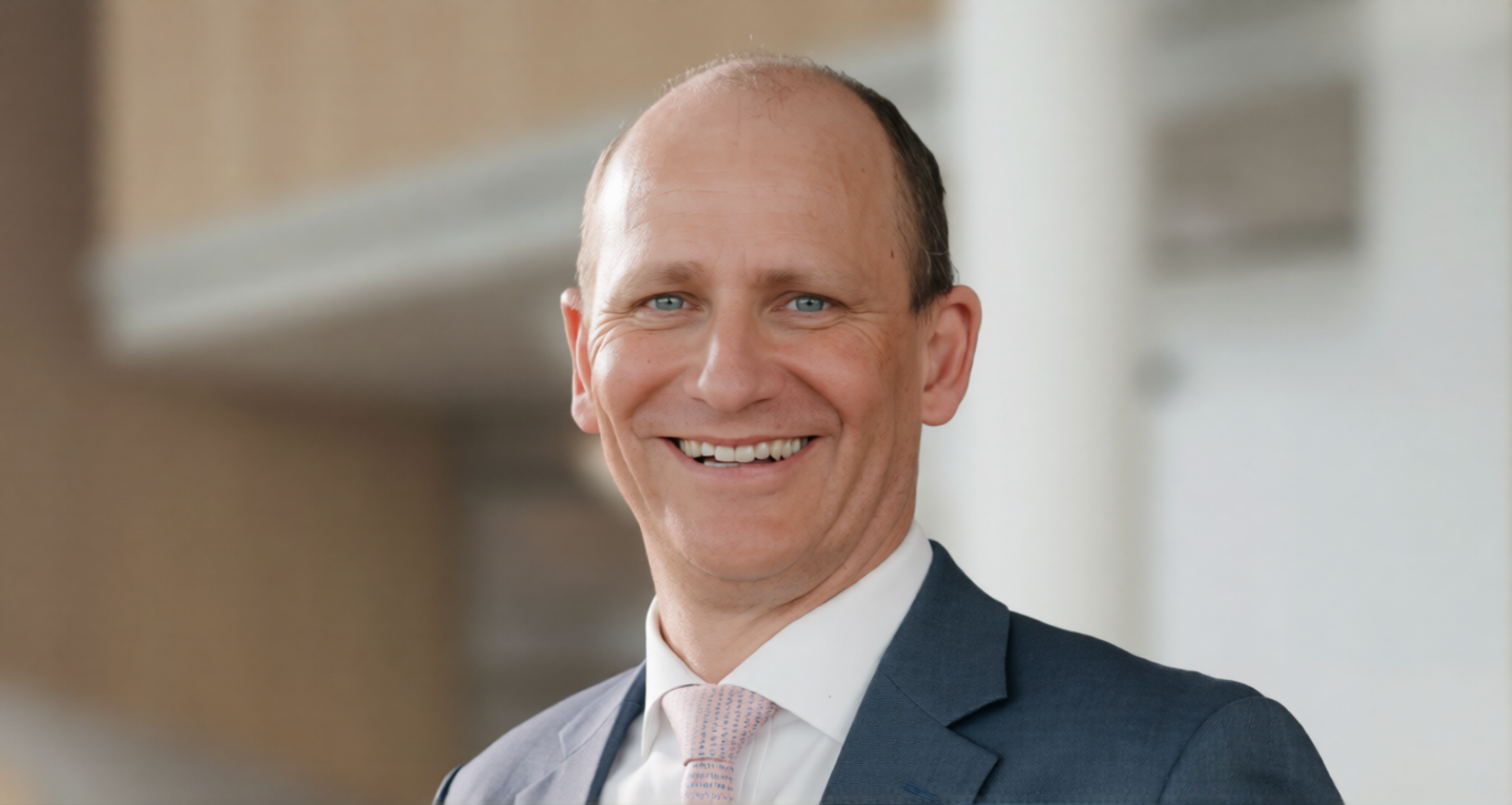
Deutsche Bank Private Bank is undergoing major technological transformation based on “radical thinking”, according to chief operating officer Yiping Li in an interview, with a focus on simplification and significant usage of artificial intelligence.
During its Investor Deep Dive in November 2025, Deutsche Bank announced that it would undergo a transformation project by spending around EUR 600 million (USD 675 million) in IT, operations and AI over the next three years with the goal of approximately EUR 300 million in savings.
According to Yiping Li, global chief operating officer, Deutsche Bank Private Bank, there will be landmark changes across the business.
“Our transformation is based on radical thinking, rather than incremental changes. We are not only looking to replace one small piece of our operations but rather rethink entire processes end-to-end,” said Li in an interview with Global Private Banker.
“This includes simplification of processes to reduce the risk of human error. We also want to significantly reduce the number of applications we are using in private banking for the processes, across all locations. And for all these efforts, we take an AI-first approach, meaning where we can use and apply AI, we will.”
Nine work streams
Within its transformation project, the German private bank is focusing on nine work streams: KYC (know-your-client); core banking foundation; investment services; lending; daily banking; channels, such as online and mobile banking; reporting and data management; and non-product processes which focus on back office operations, such as garnishments.
“We need to have a very harmonised blueprint so we worked with our colleagues to identify a North Star on the types of activities and services we want to transform, and the types of applications and systems we need to leverage,” Li remarked.
Since the bank’s 2025 announcement, it has already made significant progress with multiple initiatives unveiled. In August this year, it selected Vault Core as its cloud-native core banking platform, developed by London-based cloud banking technology company Thought Machine, as part of the broader goal of reducing the number of core banking systems from 15 to two. In September, it followed up with the launch of an agentic-enabled source of wealth (SOW) solution, which is expected to result in a 30% year-on-year increase in the number of clients onboarded in its emerging markets business in 2026.
Build or buy?
One of the key tech considerations at banks is whether to rely on in-house development or purchasing existing solutions from vendors, with pros and cons such as cost, speed and customisability.
“As part of our design principles, we will look to buy available solutions in the market whenever it is related to a standard service, such as plain vanilla products like deposits. In areas where we want to differentiate, such as our online and mobile banking channels in Germany, we will build in-house,” Li noted.
“Our latest announcement for the launch of the agentic AI solution for Source of Wealth in the KYC process was also built in-house because unlike many similar solutions available in the market, ours is fully integrated into our digital KYC system.”
Top AI risks: excessive reliance and lack of guardrails
While AI is expected to make landmark changes from improved efficiency and the way business is done, there are risks involved if not properly managed, particularly in two major areas.
“Firstly, you must avoid being overly reliant on the technology and always have humans in the loop for key processes, such as KYC. You can outsource tasks, but you cannot outsource accountability, which will sit with the bank and the banker. Secondly, you must build a very comprehensive risk framework and apply guardrails that tell the AI agent what it can or cannot do. I believe this type of AI governance itself will be a key type of job in the future,” Li said.
In addition, a common concern is the impact that AI will have in job losses due to the automation of many processes. On this matter, Li said there will actually be a need to replenish the workforce in certain markets due to natural attrition.
“In Germany, for example, a significant proportion of the workforce will reach retirement age over the coming years. So by adopting technologies like AI, we will be able to manage the resulting capacity needs,” she added.
“Human touch is irreplaceable”
Although many roles will undoubtedly be impacted in various ways, Li echoes the common industry view that AI will ultimately be unable to fully substitute relationship managers in private banking, adding that the technology will actually have a reverse effect.
“Nobody has a crystal ball but I believe that in the future, AI will make human interaction even more valuable than today. If you look at luxury brands for example, there are a lot of low cost products and the convenience of online shopping. However, people are still willing to pay for handmade products and personalised service in physical shops on the streets,” Li explained.
“This type of human touch is irreplaceable and I believe the same will apply for wealth management. Imagine a future where you have five different LLMs giving you five different investment proposals. Who do you listen to? In the end, you still want to go to a trusted person to get his or her opinion.”
In recognition of the growing importance of technology, Global Private Banker has launched a new editorial series entitled [Wealthtech Talks] which focuses on conversations with leaders from private banks, digital wealth management platforms, tech vendors, and more about the latest innovations and how they are transforming the industry.